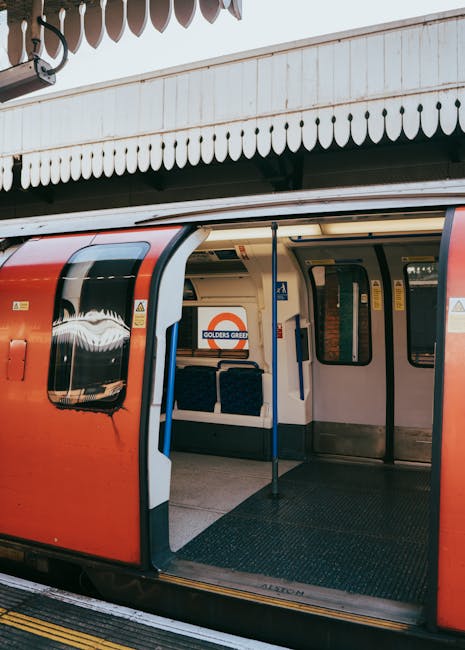
Colliers Wood Tube removals loading and parking insider tips
Moving near Colliers Wood Tube can feel simple on paper and oddly tricky in real life. One minute you have a small van and a short walk; the next, you are juggling kerbs, bays, tight side roads, and the sort of loading pressure that makes everyone check their watch twice. These Colliers Wood Tube removals loading and parking insider tips are here to help you avoid that mess. If you are planning a home move, an office relocation, or even a single bulky item pickup, the difference between a smooth day and a stressful one usually comes down to timing, vehicle choice, and a bit of local know-how.
In this guide, we will break down how loading around the station area works, what tends to go wrong, which methods make sense for different move sizes, and how to stay organised without overcomplicating things. Truth be told, most moving problems here are not dramatic. They are small, practical issues: a van too large for the space, a loading spot blocked by another vehicle, or a box left in the wrong place just when the lift arrives. Handle those early and the whole day tends to breathe easier.
Expert summary: The best removals near Colliers Wood Tube are usually the ones planned around access first, not packing first. Get the vehicle, loading point, and timing right, and the rest becomes much easier.
For readers who want broader support with a move, home moving help, a flexible man and van option, or professional packing and unpacking services can make a big difference when access is tight or the job needs to happen quickly.
Table of Contents
- Why Colliers Wood Tube removals loading and parking insider tips Matters
- How Colliers Wood Tube removals loading and parking insider tips Works
- Key Benefits and Practical Advantages
- Who This Is For and When It Makes Sense
- Step-by-Step Guidance
- Expert Tips for Better Results
- Common Mistakes to Avoid
- Tools, Resources and Recommendations
- Law, Compliance, Standards, or Best Practice
- Options, Methods, or Comparison Table
- Case Study or Real-World Example
- Practical Checklist
- Conclusion
- Frequently Asked Questions
Why Colliers Wood Tube removals loading and parking insider tips Matters
Colliers Wood Tube sits in a busy part of south-west London, and that matters because station-adjacent streets often have a mix of short-stay parking, resident bays, passing traffic, and people trying to get somewhere quickly. Add removals into the mix and everything becomes a bit more sensitive. A van that is parked badly can slow down the whole job. A van that is parked well can shave off half an hour without anyone noticing much at all.
For removals, loading and parking are not side issues. They shape the move itself. Where the vehicle sits affects how far movers carry boxes, whether furniture can come straight out of the property, and how safely large items can be handled. It also affects neighbours, which sounds small until someone cannot get their car out or a delivery driver has to squeeze past. You can feel the tension rise within minutes.
That is why local insight is worth more than generic moving advice. Near a Tube station, space is often at a premium and patience is not infinite. The more you understand the street layout, access restrictions, and the likely rhythm of the area, the easier it becomes to plan a move that does not snowball into delays.
If your move involves business stock, equipment, or an office close to the station, it is worth looking at commercial move support or office relocation services rather than trying to wing it with a too-small vehicle and a last-minute parking gamble. That is usually where the day goes sideways, and nobody wants that.
How Colliers Wood Tube removals loading and parking insider tips Works
The basic idea is simple: plan the vehicle, the loading location, and the timings so the move can happen with the least amount of stopping and starting. In practice, there are a few layers to it.
1. Identify the best loading point first
Start with the building entrance, not the van. Ask yourself where the items will actually leave the property. Is there a front door that opens directly to the road? A shared path? A lift? A basement stairwell? If the route from inside to the vehicle is awkward, that immediately changes the kind of transport you need.
2. Match the vehicle to the street, not just the load
A larger removal truck may carry everything in one go, but it is not always the smartest choice near a station. A more compact vehicle can be easier to place legally and can reduce the time spent manoeuvring. For some moves, a man with van service is enough; for others, a removal truck hire arrangement makes more sense because the inventory is larger and needs better protection in transit.
3. Build the schedule around access, not convenience
People often choose a moving time that suits their calendar but not the street. If you have the option, choose a window when loading is more likely to be straightforward and the area is less congested. Early starts can help, though not every move needs a dawn alarm and a thermos of tea. Sometimes a calmer mid-morning slot is actually the more sensible choice, especially if you need keys, lift access, or helper coordination.
4. Separate parking from unloading
One mistake is assuming the vehicle can be parked once and ignored. Near busy spots, you may need a plan for where the van waits, where it loads, and how long it can stay before needing to move on. This is especially important for bigger jobs, where a team may need the vehicle to remain within easy reach while a constant stream of boxes goes in and out.
Key Benefits and Practical Advantages
Good loading and parking planning does more than save a few minutes. It improves the whole moving experience in ways people only really notice when something goes wrong. Then it becomes very obvious, very fast.
- Less carrying distance: The closer the vehicle can safely stop, the less heavy lifting is needed.
- Lower risk of damage: Furniture is less likely to scrape doorways, pavements, or other items when the route is short and clear.
- Reduced stress: A move feels far calmer when nobody is shouting across a road looking for the van keys.
- Better timing: Efficient loading helps keep lift bookings, handover times, and later deliveries on track.
- Fewer neighbour issues: A tidy, well-managed loading plan is more courteous and less disruptive.
- Smarter vehicle choice: You avoid paying for size you do not need, or trying to fit too much into a vehicle that is obviously too small.
There is also a quieter benefit: confidence. When you know the vehicle position is sorted, the move feels manageable. Boxes still need lifting, of course. The kettle still needs packing. But the biggest uncertainty is already under control.
For smaller, practical jobs such as one-off item moves, recycling runs, or collecting furniture, a targeted service like furniture pick up can be the neatest solution. Not every move needs a full removal crew and a large lorry rumbling down a side street.
Who This Is For and When It Makes Sense
This advice is useful for a wide range of people, but especially for anyone moving in or around the Colliers Wood Tube area where road space can be limited and timing matters more than it first appears.
Home movers
If you are moving a flat, maisonette, or house nearby, loading and parking can be the difference between a straightforward day and a long one. Even a modest property move can become awkward if the van cannot stop close enough to the entrance.
Flat owners and renters with limited access
Flats often come with stairs, lift access, shared entrances, or awkward corners. In those cases, loading planning needs to be more deliberate. A compact approach can be better than a large, impressive-looking truck that cannot stay where you need it.
Office managers and small businesses
If your business is relocating near the Tube, you may need to move desks, monitors, files, stock, or specialist equipment with minimal interruption. Parking and loading are not just logistical details. They affect staff downtime and customer service. It is one reason many businesses choose office relocation services or broader commercial moves planning.
People moving just one or two bulky items
Maybe it is a wardrobe, sofa, treadmill, or a dining table you somehow agreed to transport yourself. In that case, parking and access matter even more because the whole job depends on a short, efficient transfer. A man and van setup often works well here.
Anyone who wants fewer surprises
If you dislike last-minute scrambles, this is for you. To be fair, most people do. A little planning saves a lot of shoulder tension, and nobody misses the awkward pause when the driver realises the nearest space is already taken.
Step-by-Step Guidance
Here is a practical way to organise the loading and parking side of a move near Colliers Wood Tube.
- Walk the route before moving day. Check the path from the property to the road. Look for steps, narrow gates, low branches, tight turns, and anything that could make carrying awkward.
- Measure the larger items. Sofas, wardrobes, mattresses, and desks need more attention than boxes. Measure them properly so you can judge vehicle size and loading order.
- Choose the right transport. Smaller jobs may suit a van; fuller house contents may need a larger vehicle. If you are unsure, compare a compact option with a bigger one and be honest about access.
- Decide where loading will happen. Work out the nearest sensible loading point and have a backup idea in case it is occupied.
- Pack in loading order. Put the first-out items near the exit and the last-out items deeper inside the property. That simple choice saves a surprising amount of time.
- Protect the route and the items. Use blankets, straps, and floor protection where needed. A little care at the start avoids expensive mistakes later.
- Keep key items separate. Documents, keys, chargers, medication, and valuables should not be mixed into general loads.
- Communicate clearly with the driver or crew. Let them know about access points, parking constraints, and any time restrictions.
- Plan for a quick final check. Before the vehicle leaves, walk back through the property once. Drawers. Cupboards. Loft space. Bathroom shelf. You know the drill.
If your move is more complex, professional packing support can keep the loading day cleaner and faster. That is especially true for households with lots of fragile items or offices with mixed equipment. It is not glamorous, but it works.
Expert Tips for Better Results
These are the small details that often make the biggest difference. They are the sort of things experienced movers tend to notice without making a fuss about them.
1. Aim for short carry distances
The ideal parking position is not always the legal space closest to the property; it is the one that creates the shortest safe carry. A slightly less convenient bay can still be the better choice if it reduces the chance of congestion or awkward reversing.
2. Keep an eye on the street rhythm
Some streets feel calm at one moment and suddenly busy the next. School runs, commuter traffic, deliveries, and evening arrivals all change the picture. That is why a move can feel easy at 10 a.m. and irritating at 4 p.m. Same street, different mood.
3. Use a layered loading plan
Place heavy items low and secure them first. Then fill gaps with softer items, followed by lighter boxes and fragile pieces. This keeps things stable during transit and avoids that rattling, shifting feeling in the back of the van.
4. Keep the front door clear
It sounds obvious, but the entry point is often where clutter gathers. Shoes, plant pots, recycling bags, and loose boxes all slow things down. Clear the doorway before the crew arrives. You'll thank yourself later.
5. Think in minutes, not just miles
A move can be geographically short and still time-consuming. Near a Tube station, five minutes of parking delay can be more frustrating than a longer journey. Time is part of the access calculation.
6. Use the right level of vehicle capacity
If you overestimate, you may pay for space you never use. If you underestimate, you may need extra trips. For many local moves, a mid-sized vehicle gives a better balance, though the right choice depends on the property and contents. A moving truck is often best when the load is substantial and protection matters more than street convenience.
And yes, the smallest job on paper can be the messiest in practice. A single awkward sofa has ruined more calm afternoons than most people would expect. Moving is funny like that.
Common Mistakes to Avoid
Most moving problems near busy transport areas are preventable. The trouble is, they are easy to overlook when you are focused on everything else.
- Assuming parking will "just work". It often does not. Always have a fallback plan.
- Choosing a van that is too large for the street. Bigger is not always better if access is tight.
- Leaving packing until the last minute. That leads to rushed loading and more damage risk.
- Blocking footpaths or entrances without checking first. This can create avoidable complaints or delays.
- Forgetting to reserve time for the final walk-through. People leave items behind more often than they think.
- Ignoring neighbour and building etiquette. A polite heads-up can save a lot of friction.
- Failing to protect corners and door frames. One scrape is enough to make a "quick move" expensive.
The biggest mistake, honestly, is treating loading as an afterthought. Once you do that, everything starts leaning on luck. And luck is not a strategy, not really.
Tools, Resources and Recommendations
You do not need a mountain of equipment for a well-run local move, but a few practical items make the process much smoother.
- Moving blankets: Useful for protecting furniture and door frames.
- Ratchet straps or tie-downs: Help keep loads stable inside the vehicle.
- Sturdy boxes and tape: Proper packing reduces breakages and makes stacking easier.
- Furniture sliders: Handy for heavy items on smooth internal floors.
- Dollies or trolleys: Reduce strain and speed up movement of heavier items.
- Labels and marker pens: Make it easier to sort items by room and priority.
- Floor coverings: Useful for protecting carpets, timber, or tiled floors during loading.
As for service choices, there is no single best answer. Smaller jobs often suit man with van support, while bigger moves may need a more structured solution such as removal truck hire or a full domestic move package. If you need a broader starting point, house removalists can be a sensible option for more complex home moves.
For people who want to make the day easier from the outset, learning more about the team can help build confidence, and getting in touch early is usually the most practical next step if access looks tricky.
Law, Compliance, Standards, or Best Practice
When moving around Colliers Wood Tube, the key compliance point is simple: park and load responsibly, and make sure you are following the applicable rules for the street or bay in question. London streets can have different restrictions depending on the location, time of day, bay type, or local management arrangements, so it is wise to check on the day rather than assume.
Best practice also matters, even where there is no formal legal issue. That includes not blocking pedestrian routes, keeping entrances clear where possible, using safe manual handling methods, and avoiding unnecessary engine idling. If a lift is involved, respect building rules and timing windows. If a landlord, managing agent, or concierge gives access instructions, follow them carefully. They are usually trying to prevent the kind of bottleneck everyone dislikes.
From a safety perspective, the standard common-sense rules apply: lift with your legs, not your back; do not rush a two-person carry; and never carry a load you cannot see around if that creates a hazard. That is not dramatic advice, just decent practice.
If your move involves commercial premises, there may also be internal building procedures, permit expectations, or access controls to manage. Those are worth confirming in advance. A quick check before moving day can avoid a much longer conversation on the pavement.
Options, Methods, or Comparison Table
Different moving methods suit different access conditions. Near Colliers Wood Tube, choosing the right one can save both time and stress.
| Method | Best for | Parking/access fit | Practical note |
|---|---|---|---|
| Man and van | Small to medium moves, single rooms, bulky items | Strong fit for tighter streets | Flexible and usually easier to position near busy roads |
| Man with van | Light removals, flexible local transport | Very good for quick loading jobs | Often ideal when the job is straightforward but access is limited |
| Moving truck | Larger home contents or bigger one-day jobs | Needs more room and planning | Useful when volume matters more than manoeuvrability |
| Removal truck hire | Larger planned moves needing dedicated vehicle space | Good if parking can be arranged in advance | Works best when the route and loading point are already sorted |
There is no prize for picking the biggest vehicle. The right option is the one that fits the load, the street, and the timing together. That is the real test.
Case Study or Real-World Example
Here is a realistic example from a typical local move scenario. A couple relocating from a first-floor flat near Colliers Wood Tube had a mix of furniture, kitchen boxes, a bicycle, and a few fragile items. They initially thought a large vehicle would make the day easier. In practice, the road outside their building was not friendly for a bigger truck, and the nearest logical stopping point sat a little further away.
After checking the access route, they changed to a more compact vehicle setup, packed the most fragile items separately, and staged the boxes by room before moving day. They also cleared the hallway the night before, which sounds minor but saved repeated trips around coats, bags, and random clutter. The loading process felt calmer, the carry distance stayed short, and the move finished without the usual "where did we put the charger?" drama.
The interesting part was not that the move was complicated. It was not. It was that small access decisions changed the whole experience. That is the point of local insider tips: they reduce friction before friction starts.
For a larger workplace example, a small office close to the Tube with printers, desk units, and boxed files would usually benefit from planned office relocation services and careful coordination around loading bays and staff access. Business moves are often less about distance and more about avoiding disruption. Different problem, same principle.
Practical Checklist
Use this checklist before moving day. It keeps things grounded and stops the small stuff from slipping through the cracks.
- Confirm the moving date and time window.
- Check the property exit route from inside to street level.
- Measure large furniture and compare it with the chosen vehicle.
- Identify a loading point and a fallback loading point.
- Sort parking expectations and access instructions in advance.
- Pack fragile items securely and label them clearly.
- Separate essentials: keys, documents, chargers, medication, and valuables.
- Protect floors, corners, and door frames where needed.
- Keep pathways clear for the movers.
- Notify neighbours or building management if appropriate.
- Prepare payment, contact details, and any required building access codes.
- Do a final room-by-room check before the vehicle leaves.
Quick takeaway: if you get the route, vehicle, and schedule aligned early, the rest of the move becomes much more manageable. Not effortless. Just manageable. And that is a big win on moving day.
Conclusion
Colliers Wood Tube removals loading and parking insider tips are really about one thing: reducing friction before the heavy lifting even begins. Around a busy Tube station, the smartest move is usually the one that respects space, timing, and the real shape of the street. Plan the load, choose the right vehicle, keep the access route clear, and the whole day tends to feel more controlled.
If you are moving a home, relocating a business, or just trying to get a few awkward items out of a tight spot, the best approach is usually calm, practical, and a little bit flexible. That is the secret, if there is one. Prepare well, stay realistic, and leave enough room for the unexpected because something always turns up. Usually a box you thought was already loaded.
Get a free quote today and see how much you can save.
When the day arrives, the goal is not perfection. It is a move that feels steady, sensible, and one you can actually breathe through.
Frequently Asked Questions
What is the best way to park for removals near Colliers Wood Tube?
The best approach is to choose the closest legal and safe loading point that keeps the carry distance short. In busy areas, that may mean using a slightly less obvious space rather than trying to force the vehicle directly outside the door.
Do I need a large van for a local move near the station?
Not always. Smaller moves, single rooms, and bulky items often work better with a compact van or man and van arrangement. Larger home contents may justify a bigger vehicle, but access should guide the choice as much as volume does.
What should I do if the loading bay is already occupied?
Have a backup plan before moving day. That might mean a second loading point, a different arrival time, or a smaller vehicle that can stop more easily. A good mover always assumes the first choice may not be available.
How early should I start loading on moving day?
Start as early as your access arrangements and neighbours reasonably allow. Early enough to avoid rushing, but not so early that you create unnecessary disruption. The ideal time depends on the building, the road, and the amount of furniture involved.
Is a man with van service enough for a Colliers Wood move?
Often, yes, for smaller or medium-sized jobs. It is especially useful where parking is limited and the move needs a flexible, practical approach. For larger moves, a more structured vehicle option may be better.
How do I avoid damaging furniture during loading?
Use blankets, straps, and proper packing materials. Load heavy items first, keep fragile pieces separate, and avoid forcing oversized furniture through tight doorways without enough help. A careful route matters just as much as the packaging.
Can office moves near Colliers Wood Tube be done outside business hours?
In many cases, that can be a sensible option if building access and staffing allow it. Evening or off-peak moves can reduce disruption, but they still need planning around parking, access, and security.
What is the biggest mistake people make with parking on moving day?
Assuming parking will be straightforward without checking the actual restrictions or street conditions. That often leads to delays, extra carrying, and avoidable stress. It sounds obvious, but it catches people out all the time.
Should I pack everything before the van arrives?
Ideally, yes. At the very least, most of the packing should be complete before the vehicle turns up. Last-minute packing creates bottlenecks, and the loading team can only move as fast as the prepared items allow.
Is it worth using packing services for a local move?
If you have fragile items, a tight schedule, or a lot of mixed household contents, packing help can be very worthwhile. It makes loading cleaner and can reduce breakages. For some moves, that peace of mind is the main benefit.
How can I make a busy street move less stressful?
Keep the plan simple, communicate clearly, and reduce walking distance between the property and the vehicle. Label boxes, stage items by room, and make sure the loading point is agreed in advance. Small steps, but they really add up.
Where can I find more support for a house move or business relocation?
You can explore home moves for domestic relocations or look at commercial moves and office relocation services for business-focused planning. If you want to speak with the team directly, contact us when you are ready.