High Street, Colliers Wood -- staircases, lifts and access
If you are planning a move, a delivery, or even just trying to get a bulky sofa into a flat, High Street, Colliers Wood -- staircases, lifts and access can make the difference between a smooth day and a very awkward one. Anyone who has tried to turn a wardrobe on a narrow landing knows the feeling: the lift looks fine from the lobby, then reality bites at the second corner. To be fair, that is exactly why access planning matters so much in busy London neighbourhoods.
This guide breaks down how staircases, lifts, and access constraints affect homes and businesses around High Street, what to check before moving day, and how to choose the right approach. You will also find practical tips, common mistakes, and a simple checklist so you can avoid the kind of delays that turn a quick job into an all-afternoon headache.
Contents
- Why High Street, Colliers Wood -- staircases, lifts and access Matters
- How High Street, Colliers Wood -- staircases, lifts and access Works
- Key Benefits and Practical Advantages
- Who This Is For and When It Makes Sense
- Step-by-Step Guidance
- Expert Tips for Better Results
- Common Mistakes to Avoid
- Tools, Resources and Recommendations
- Law, Compliance, Standards, or Best Practice
- Options, Methods, or Comparison Table
- Case Study or Real-World Example
- Practical Checklist
- Conclusion
- Frequently Asked Questions
Why High Street, Colliers Wood -- staircases, lifts and access Matters
Access is not a side issue. In a place like High Street, Colliers Wood, it often decides whether a move runs on time, whether a heavy item arrives without damage, and whether everyone stays safe. A building can look straightforward from the outside, yet still hide a tight stairwell, a small lift, a narrow entrance, or a corridor that is just a touch too cramped for larger items.
That matters for more than convenience. Poor access can increase the risk of scratches, wall scuffs, lift damage, strained backs, and frustrated neighbours. It can also create practical problems such as blocked entrances, parking delays, and longer carrying distances from the vehicle to the door. If you are organising a home move or booking house removalists, the access route is every bit as important as the volume of items.
In our experience, the simplest jobs are the ones where the access questions were asked early. How wide is the stairwell? Is the lift available? Does it stop on every floor? Can a van stop close enough to the entrance? Those small details save time, protect belongings, and make the day feel calmer. And let's face it, that calm is worth a lot when boxes are stacked to the ceiling.
For businesses, the stakes can be even higher. Office equipment, stock, archived files, and furniture can be awkward in lifts and hazardous on stairs if no one has planned the route. If you are looking at a commercial move, it helps to think about the building first and the removals second. The building usually wins that argument.
How High Street, Colliers Wood -- staircases, lifts and access Works
At its simplest, access planning is about matching the item, the route, and the equipment. A good moving team will assess the space before they start carrying anything. That usually means checking doorway widths, stair turns, lift dimensions, floor loading concerns where relevant, and the distance from the vehicle to the entrance.
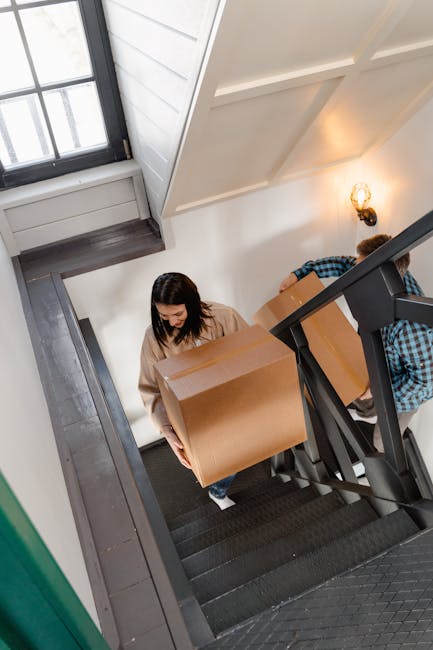
Staircases are often the biggest unknown. A straight staircase may sound easy, but narrow steps, low ceilings, handrails, and awkward bends can make large furniture difficult to manoeuvre. Spiral stairs are even trickier. A bed base that is simple in a hallway can become a bit of a puzzle on a landing. Sometimes the answer is dismantling, sometimes it is protective wrapping and careful lifting, and sometimes it is simply choosing a different route.
Lifts bring a different set of questions. Is the lift large enough for the item? Is it a passenger lift or a goods lift? Is there a weight limit? Is it booked for exclusive use, or do other residents and staff need to share it? Lift access is brilliant when it works well, but it does require respect. Rushing a lift move is a bad idea. The doors, panels, and control systems can be vulnerable if the load is awkward or the team is under pressure.
Access also includes the outside of the building. On a busy road like High Street, parking restrictions, drop-off points, loading bays, and foot traffic all affect the job. A small gap between parked cars may not seem like much, yet it can add several carrying trips and increase the chance of a knock or scrape. If you are arranging a van move, the route from curb to door should be measured in reality, not guessed at from memory.
For this reason, many people choose a service like man and van support in Colliers Wood when they have a modest load and need flexible handling. Others prefer a larger vehicle through removal truck hire or a dedicated moving truck when the access route and volume call for more capacity. The right choice depends on the building as much as the belongings.
Key Benefits and Practical Advantages
Good access planning gives you practical benefits that show up immediately on moving day. It is not glamorous work, but it pays off.
- Less damage: Items are less likely to catch on walls, railings, lift doors, or corners.
- Faster turnaround: The team can move with confidence instead of stopping every two minutes to rethink the route.
- Better safety: Narrow stairs and awkward lifts are safer when people know the plan.
- Lower stress: You are not left wondering whether the sofa will fit or whether the lift will fail halfway through.
- Fewer surprises: A measured access route means fewer last-minute improvisations.
- Smarter use of labour: The right number of movers and the right vehicle can be allocated from the start.
There is also a less obvious benefit: better communication with neighbours, building managers, and reception staff. If you know you will need the lift for a particular window of time, or if a staircase will be the only route, you can warn the right people in advance. That small courtesy makes a surprisingly big difference in shared buildings.
For homeowners, the comfort is simple. Your furniture gets where it needs to go with less fuss. For businesses, the advantage can be operational continuity. If you are relocating desks or stock, a clean access plan helps you avoid a messy next day, which nobody enjoys after a long shift.
If you also need packing support, it is worth looking at packing and unpacking services as part of the plan. Proper packing can make awkward stair or lift moves much safer because items are more compact, better protected, and easier to carry. Small improvement, big difference.
Who This Is For and When It Makes Sense
This topic matters to anyone moving through a building that is not a simple ground-floor walk-in. That includes flat residents, landlords, tenants, business owners, shop managers, office teams, and people arranging furniture collections or deliveries.
You will especially want to pay attention if:
- your property is above ground level
- the staircase turns tightly or has a narrow landing
- the lift is small, shared, or out of the way
- you are moving large furniture, appliances, or fragile items
- the building has restricted loading or parking nearby
- you are moving during busy hours, school runs, or weekend footfall
It also makes sense if you are comparing moving options. A compact one-bedroom flat with a usable lift may suit a smaller vehicle and a flexible team. A multi-floor house with a steep staircase may need more people, more time, and maybe dismantling work. Truth be told, the building does half the decision-making for you.
Business customers often need a different angle. A small office with no service lift might still be manageable, but a commercial relocation needs more scheduling, more protection, and clearer responsibility for shared areas. If that sounds like your situation, take a look at office relocation services or the broader commercial moves page for the kind of support that fits a more structured move.
Step-by-Step Guidance
If you want the job to go smoothly, keep the process simple and methodical. You do not need a complicated system. You need a decent plan and a few measurements.
- Assess the route. Start outside and work inward. Check parking, entrance steps, door widths, hallways, stairs, and lift access.
- Measure the awkward items. Sofas, beds, wardrobes, desks, mirrors, and white goods are the usual troublemakers.
- Confirm lift details. Note the internal dimensions, door opening width, weight limits, and whether the lift can be reserved.
- Check stair turns and headroom. A staircase that looks fine from below may still have a low ceiling or tight corner higher up.
- Decide what needs dismantling. Some furniture is better carried in parts. That is not a failure; it is just common sense.
- Choose the right vehicle and crew size. Access problems can be reduced by matching the load to the job.
- Protect the route. Use covers, blankets, and corner protection where needed.
- Tell the building or neighbours in advance. A small heads-up helps with lift use, parking, and noise.
- Keep a contingency plan. If the lift is out or the route is blocked, know the fallback option before moving day.
Here is a simple rule that saves a lot of grief: if you are not sure whether something will fit, do not guess. Measure it. Then measure it again if the item is unusual or bulky. A few extra minutes with a tape measure can save an expensive detour.
For one-off collections, people often find a flexible service such as man with van support useful because it can adapt to the building rather than forcing the building to fit the plan. And for heavier, larger or multi-item jobs, the extra capacity of a dedicated vehicle can be the safer call.
Expert Tips for Better Results
A few small choices can make stair, lift, and access work feel much easier. These are the details people often forget until they are standing in the hallway with a mattress that will not turn.
- Photograph awkward points in advance. A photo of the stair bend, lift entrance, or front step can help the moving team prepare properly.
- Keep hallways clear. Shoes, coats, bins, and plant pots seem harmless until they become trip hazards.
- Label fragile or awkward items clearly. It helps with handling and with deciding what to load first.
- Separate what must stay with you. Keys, documents, chargers, meds, and valuables should not disappear into a moving pile.
- Build in buffer time. Access takes longer than people expect, especially in shared buildings.
- Protect corners and thresholds. The damage often happens at the points people underestimate.
One more practical point: if your move involves furniture that is not worth keeping, a separate collection can help avoid clogging the stairwell. That is where furniture pick-up can be handy. Less clutter means less chance of a catch, a trip, or a last-minute rethink.
It is also worth thinking about the unloading side, not just the loading side. A lovely clear route in your old place means little if the new place has a basement stair, a tiny lift, and a building manager who needs notice. Boring? Maybe. Important? Absolutely.
Common Mistakes to Avoid
Most access problems come from a handful of avoidable mistakes. None of them are unusual, and that is almost the frustrating part.
- Assuming the lift will be available. Shared buildings can have maintenance, booking, or access restrictions.
- Forgetting about external steps and door swings. A single step at the entrance can throw off the whole hand-carry route.
- Underestimating large furniture. Wardrobes, beds, sofas, and office desks are the usual offenders.
- Not checking parking or loading restrictions. If the van cannot stop nearby, everything becomes slower and heavier.
- Trying to force items through a space. That is how damage happens. Sometimes the smarter move is to stop and re-plan.
- Leaving access questions until the day itself. By then, you are already on the clock.
A lot of people also forget to factor in human energy. A move at 8 a.m. on a damp London morning feels very different from one in daylight with enough room to breathe. People get tired, shoulders ache, tempers shorten. That is just life. Planning for the access route helps reduce all of that.
If you are unsure what size of support you need, comparing service types early can help. Some moves suit a straightforward home moves package, while more complex jobs may need the added structure of removal truck hire or a tailored moving plan. There is no prize for making it harder than it needs to be.
Tools, Resources and Recommendations
You do not need specialist kit for every job, but a few practical tools make access handling far easier.
| Tool or Resource | Why It Helps | Best Used For |
|---|---|---|
| Tape measure | Confirms widths, heights, and awkward gaps | Stairs, lifts, doorways, bulky furniture |
| Furniture blankets | Protects surfaces from knocks and scuffs | Tables, cabinets, bed frames, appliances |
| Corner protectors | Reduces wall and trim damage | Narrow corridors and tight turns |
| Straps and trolleys | Improves control and reduces strain | Heavier items and longer carry routes |
| Building access notes | Keeps everyone clear on lift use and arrival windows | Flat blocks, offices, managed buildings |
For larger or more structured moves, a vehicle match matters too. A moving truck can be the better option when there are several items or when access requires fewer trips. If the move is local and flexible, a smaller van solution may be more efficient. Again, the building decides a lot of that.
If you want to understand the business behind the service, it can help to read the about us page. Knowing who you are dealing with and how they work is a simple trust signal, and it matters more than people think. Clear terms and realistic expectations save a lot of friction later, so the terms and conditions page is also worth a quick read.
And if you are still at the decision stage, the main Storage Colliers Wood homepage can help you compare services without jumping between unrelated pages.
Law, Compliance, Standards, or Best Practice
Access planning is not just common sense; it also connects with basic safety and duty-of-care expectations. In the UK, moving teams and building occupants should take reasonable steps to avoid injury and prevent damage. That usually means working carefully on stairs, not overloading lifts, and making sure routes are kept clear.
For shared buildings, best practice often includes giving notice to building management, checking whether a lift needs booking, and confirming any restrictions on times, loading bays, or protective coverings. Some sites are more formal than others. Managed blocks may have their own move-in rules, while older properties may simply require extra caution and a bit of patience.
There is no one-size-fits-all legal rule for every building access situation, so the sensible approach is to follow the site-specific instructions, use appropriate handling methods, and avoid risky shortcuts. If a route looks unsafe, it probably is. That is not being dramatic; it is just experience talking.
Businesses should also think about staff safety, trip hazards, and keeping common areas free of obstruction. For office and commercial moves, this matters even more because other people may still be using the space. Clear communication, proper equipment, and realistic timing are the standard, not the luxury.
Options, Methods, or Comparison Table
Different access situations call for different methods. Here is a simple comparison that may help you decide.
| Access Method | Best For | Pros | Watch Out For |
|---|---|---|---|
| Stair carry | Items that are manageable by hand and fit the route | Flexible, no lift dependency, works in older buildings | Narrow turns, fatigue, wall scuffs, slower pace |
| Lift-assisted move | Flats and offices with usable lift access | Reduces carrying effort, quicker for repeated trips | Lift size, booking limits, weight restrictions, waiting time |
| Dismantled carry | Large furniture or awkward shapes | Makes difficult items more manageable | Requires tools, time, and careful reassembly later |
| Vehicle-to-door direct | Good loading access and parking nearby | Fast and efficient, fewer carrying steps | Rare on busy streets unless arrangements are made |
There is no universally "best" option. The smart move is to choose the method that causes the least strain on the route and the fewest surprises on the day. Sometimes that means using the lift. Sometimes it means not trusting the lift at all and going via stairs with the item taken apart. Little bit old-fashioned perhaps, but effective.
Case Study or Real-World Example
Here is a realistic example from the kind of situation people often face around High Street. A tenant in a second-floor flat needs to move a sofa, a bed, a washing machine, and several boxes. The building has a lift, but it is small and shared, and the staircase turns sharply on the first landing. At first glance, the move looks straightforward. It is not.
After checking measurements, the movers decide to split the job. The bed frame is dismantled. The washing machine is wrapped and moved separately. The sofa is carefully angled through the communal hallway and taken up with two people rather than forcing it into the lift. The lift is used for lighter boxes and items that benefit from extra protection. The result? Fewer delays, no wall damage, and no frantic reassessment halfway through.
What made the difference was not brute strength. It was planning. There was a clear route, a split strategy, and a realistic view of what the building could handle. If you have ever seen someone try to "just squeeze it through," you already know why that matters.
For a business example, imagine a small office moving files, monitors, chairs, and a few cabinets. The team is not massive, and the building has a shared lift. In that situation, a structured service such as office relocation services can make life much easier because the schedule, access, and item handling are coordinated rather than improvised. Not glamorous, but very effective.
Practical Checklist
Use this checklist before move day. It is simple, which is the point.
- Measure the widest and narrowest points of the route
- Check whether the lift is working, bookable, and large enough
- Confirm stair turns, landings, and any low ceilings
- Measure bulky furniture and appliances
- Decide what needs dismantling or wrapping
- Arrange parking or loading access if needed
- Tell building management or neighbours about the move
- Clear hallways, porches, and shared entrances
- Protect floors, corners, and doorframes where necessary
- Keep essentials and valuables separate
- Have a backup plan if the lift or route is unavailable
Expert summary: The safest and fastest access plan is usually the one that starts with measurements, not assumptions. If the stairwell is awkward or the lift is small, adapt the move to the building instead of trying to force the building to fit the move.
That really is the heart of it. A little planning upfront saves a lot of lifting later.
Get a free quote today and see how much you can save.
Conclusion
High Street, Colliers Wood -- staircases, lifts and access may sound like a narrow topic, but in real life it touches almost every part of a move. The route, the vehicle, the lift, the stairs, the timing, the packing - they all connect. When those pieces are considered early, the day feels calmer, safer, and far more manageable.
Whether you are moving a single piece of furniture or coordinating a full property or office move, the smartest approach is the same: measure, plan, protect, and communicate. Simple enough in theory, not always simple in a busy building, but absolutely worth doing.
If you are ready to take the next step, choose the service that matches your building and your load, and make the access route part of the conversation from the beginning. That is how you avoid the dramas. And honestly, you deserve the easier version of the day.
A good move is often just a well-planned one.
Frequently Asked Questions
What does staircases, lifts and access mean for a move in Colliers Wood?
It refers to the practical route items must take into or out of a building. That includes stairs, lifts, doorways, corridors, entrances, and any parking or loading constraints nearby.
Why should I check access before booking a move?
Because access affects timing, staffing, vehicle choice, and the risk of damage. A quick check before booking helps you avoid delays and choose the right service.
What should I measure first: the stairs or the furniture?
Measure both, but start with the biggest items and the narrowest parts of the route. If a sofa, wardrobe, or appliance is marginal, that is where problems usually show up.
Can a removal team use a lift for all items?
Not always. Lift size, weight limits, booking rules, and shared use can all affect what is suitable. Some items are safer on stairs or dismantled before moving.
What happens if the lift is too small?
The team may use the stairs, dismantle furniture, or choose a different handling method. A good move plan always includes a fallback option.
Are stair moves more expensive?
They can be, depending on the number of floors, item size, and difficulty of the route. The main cost driver is usually the extra time and labour involved.
How do I know if my furniture needs dismantling?
If it is bulky, awkwardly shaped, or difficult to turn on the staircase or landing, dismantling is often the safer choice. Beds, wardrobes, and large desks are common examples.
Do I need to tell my building manager about the move?
Often, yes. In managed buildings, giving notice helps with lift bookings, loading access, and courtesy to neighbours. It is usually a very good idea, even when not strictly required.
What is the best service for a small flat move with awkward access?
A flexible option such as a man and van or man with van service can work well for smaller loads where access is tight and the route needs adaptability.
How can I protect walls and doorframes during a stair move?
Use blankets, corner protection, and slow, coordinated handling. The safest approach is to keep the route clear and avoid rushing around tight bends.
What if I need to move office furniture through a shared building?
You should plan ahead, confirm lift use, and keep communal areas clear. For larger or more structured jobs, a dedicated office relocation service is usually the better fit.
Where can I get help if I am not sure what service I need?
Start by comparing the move size, access route, and item list, then speak to a team that can advise on the right vehicle and handling method. If you are still deciding, the contact page is a sensible next stop.