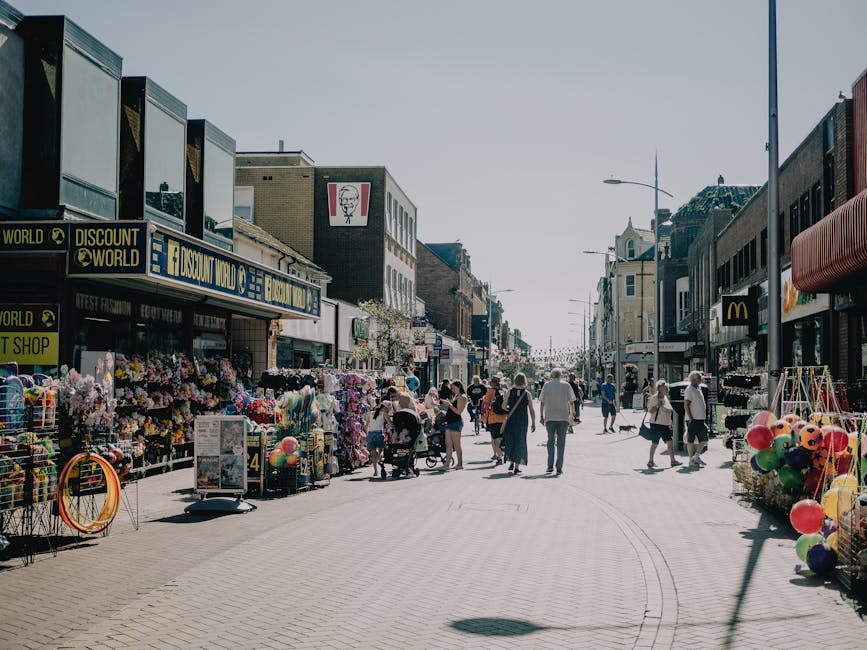
Commercial relocations for shops and cafes in Colliers Wood
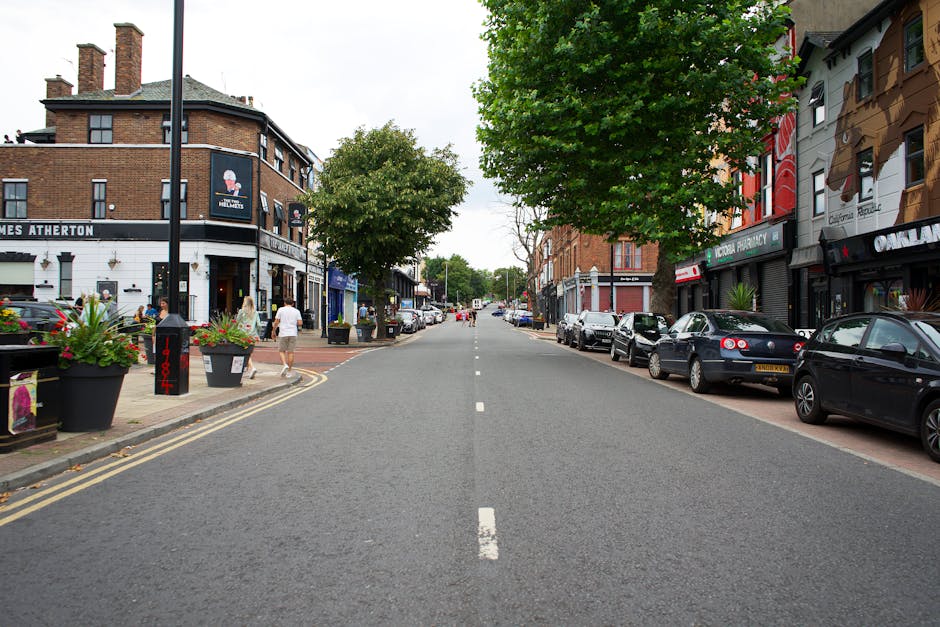
Moving a shop or cafe is never just about boxes and a van. There are tills to protect, stock to count, coffee machines to disconnect, opening hours to protect, and customers who still expect the door to open on time. That is why commercial relocations for shops and cafes in Colliers Wood need a different kind of planning from a standard home move. You are not only shifting items from one address to another; you are trying to keep a trading business calm, safe, and as close to business-as-usual as possible.
In a busy London setting, the pressure can creep up fast. Deliveries, parking, narrow access, shared pavements, noise, and late-night prep all make the move feel bigger than it first sounded. The good news? With the right sequence, the right packing method, and the right transport plan, the whole thing becomes far more manageable. This guide breaks down how commercial relocations for shops and cafes in Colliers Wood work, what to watch out for, and how to keep disruption under control without losing your sanity. Let's face it, nobody needs a moving day that turns into a mini disaster.
For businesses that want a broader service overview while planning, it can help to review the site's commercial moves support and, where relevant, the more detailed office relocation services and packing and unpacking services. The right combination depends on your premises, stock profile, and how quickly you need to reopen.
In this article, you will find a practical roadmap for shop fittings, cafe equipment, fragile inventory, and the realities of moving in and around Colliers Wood. No fluff. Just the stuff that helps.
Why Commercial relocations for shops and cafes in Colliers Wood Matters
Shops and cafes depend on momentum. If customers cannot find you, if stock is not ready, or if the espresso machine is still in transit at opening time, the impact is immediate. That is why the move itself matters so much. A commercial relocation is not only a logistics job; it is a trading continuity job.
Colliers Wood adds its own practical layer. Local roads can be busy, parking may be limited, and access outside a shopfront can be tight, especially when you are working around other businesses, pedestrians, and delivery windows. Even a short move across South West London can become complicated if bulky counters, refrigerated units, display shelving, or fragile glass need careful handling.
There is also the people side. Staff are often doing two jobs at once during a move: trying to serve customers and trying to pack the premises. That is hard. In our experience, the moves that go most smoothly are the ones where the business stops pretending everything can be done at the last minute. A little honesty about what must move, what can be dismantled, and what can be stored separately makes a huge difference.
Commercial relocations for shops and cafes in Colliers Wood also matter because a rushed move can affect the customer experience after reopening. A cafe layout that is not thought through can create a queue bottleneck. A shop that arrives with mismatched shelf positions may look unfinished for weeks. The move is really part of the brand transition, not just the transport phase.
Expert summary: The best commercial move is the one your customers barely notice. That means planning for access, equipment, stock, staff routines, and reopening order before the first item leaves the premises.
How Commercial relocations for shops and cafes in Colliers Wood Works
Every relocation is a bit different, but the process usually follows a familiar rhythm. First comes the survey or planning call. This is where you list the key items: display fixtures, fridges, ovens, coffee machines, tills, chairs, tables, stock, signage, and anything that needs specialist handling. You also identify awkward access points, stairwells, loading restrictions, or items that need dismantling.
Next comes packing. For cafes, that often means separating front-of-house items from back-of-house equipment. For shops, it may mean grouping retail stock by department, size, or urgency so that the new space can be set up logically. Clear labelling matters a lot here. If you ever had to search through five identical boxes for the only charger that fits the card machine, you will know why.
Then comes the loading and transport stage. Depending on the volume, a smaller business might use a man and van or man with van arrangement for lighter loads, while larger premises may need a moving truck or dedicated removal truck hire. The right choice depends less on the word "commercial" and more on volume, weight, access, and timing.
Finally, the delivery and setup stage begins. This is where the order of unloading becomes important. Refrigeration, tills, and essential service items should usually be prioritised before display furniture and non-urgent stock. If the business is opening the same day, that sequence can save a lot of stress. Truth be told, the last hour before reopening always feels a bit messy. That is normal. A good move plan keeps the mess contained.
For businesses that are replacing old items rather than relocating them, the website's furniture pick-up service may also be useful for removing surplus shelving, seating, or worn fixtures during the transition.
Key Benefits and Practical Advantages
A well-managed move offers more than simple convenience. It can improve the way your business functions once you reopen. Here are the main advantages that tend to matter most for shops and cafes:
- Less downtime: a structured move reduces the time your business is closed or partially operating.
- Better item protection: specialist packing and careful loading lower the chance of damage to stock, equipment, and fittings.
- Cleaner reopening: organised labelling means the new space can be set up in the right order, not in a scramble.
- Reduced staff stress: your team can focus on serving customers and handling handover tasks rather than doing everything at once.
- Stronger customer continuity: a faster, smoother relocation helps preserve regular footfall and repeat trade.
- More efficient layout planning: moving gives you a chance to improve flow, queueing, storage, and display decisions.
There is a less obvious benefit too. A move forces you to see the business clearly. What equipment do you actually use every day? Which display units make the floor feel cramped? Which stock has been taking up space for months? Moving day has a funny way of exposing what the premises were already telling you.
For businesses planning a fuller setup change, combining relocation with packing support and a sensible vehicle choice can save both time and repeat handling. It is often cheaper, in the real-world sense, to do things once than to move the same heavy item three times because the first plan was a bit fuzzy.
| Benefit | Why it matters | Best for |
|---|---|---|
| Reduced downtime | Helps you reopen sooner and protect revenue | Busy cafes and customer-facing shops |
| Better organisation | Makes unpacking and fitting out more efficient | Retail units with stock categories or zones |
| Lower damage risk | Protects fragile equipment and stock | Cafes with machines, glassware, or chilled items |
| Improved layout | Creates a better customer flow after reopening | Businesses using the move to refresh the space |
Who This Is For and When It Makes Sense
This service is relevant for a wide range of local businesses. The obvious ones are independent cafes and small shop units, but the list is broader than that. Think bakeries, dessert shops, takeaway counters, boutique retailers, deli counters, florists, specialist food shops, gift stores, and pop-up concepts that are growing into a permanent premises.
It also makes sense if you are:
- taking on a new lease in Colliers Wood
- moving to a larger or better-located unit
- closing one premises and reopening nearby
- rebranding and replacing fixtures at the same time
- merging two locations into one
- upgrading your cafe layout, equipment, or storage flow
Some business owners hesitate because they think a move has to be dramatic to justify professional support. Not really. Even a modest shop relocation can be worth careful handling if the inventory is fragile or the timetable is tight. A small cafe with one espresso machine, a glass-fronted fridge, and a lot of breakables can be more delicate than a bigger, emptier store. Oddly enough, size does not always make it simpler.
If your move also involves office admin space, back-office workstations, or a mixed-use premises, you may want to look at office relocation services alongside the commercial move plan. Mixed spaces often need both shop-floor and back-room thinking.
Step-by-Step Guidance
A practical relocation works best when it is broken into stages. Here is a straightforward sequence that suits most shops and cafes in Colliers Wood.
1. Audit everything that needs to move
Start with a full list. Include equipment, display units, stock, storage containers, signage, cleaning supplies, tills, card readers, cables, menu boards, and anything stored in the back room. You are trying to avoid surprises, not discover them halfway down the pavement.
2. Separate essential items from non-essential items
Mark the things you must have on day one. For a cafe, that may be the coffee machine, grinder, fridge, cups, till, and a few core serving items. For a shop, it may be stock, shelving, lighting, and payment hardware. Anything else can be prioritised later.
3. Measure access at both premises
Check door widths, stair turns, lifts, loading spaces, and street access. If a fridge can fit through the old front door only when tilted at an awkward angle, say so early. That detail matters more than people think.
4. Pack by category and opening sequence
Label boxes by zone or function: front-of-house, storage, cash desk, kitchen, cleaning, seasonal stock, fragile items, and spare parts. That gives the new team a fighting chance when unpacking. It also helps if someone gets called away and another staff member has to take over the setup.
5. Choose the right transport and lifting support
Smaller relocations may only need a man and van setup, while bulkier or higher-value moves may suit a dedicated removal truck hire or larger moving truck. The goal is to match the vehicle to the job, not just to pick the biggest option by default.
6. Move in reopening order
Unload critical items first. Get power-dependent equipment into position. Then move shelving, tables, display units, and secondary stock. You will notice the whole process feels calmer when the essentials land first. It is a small thing, but it changes everything.
7. Test and tidy before trading
Before opening the doors, check power, placement, access routes, and cash handling. Make sure the customer path is clear and the staff path is not awkward. If the coffee grinder is behind a stack of folded boxes, the day may start with a wobble. Better to fix that before the first customer walks in.
Expert Tips for Better Results
There are a few habits that make commercial relocations for shops and cafes in Colliers Wood much smoother. They are not flashy. They just work.
- Photograph the old layout before dismantling: this helps when rebuilding shelving, counters, or equipment zones in the new unit.
- Pack one emergency box: include tape, bin bags, markers, chargers, cloths, gloves, a scissors, and a few basic cleaning items.
- Keep a separate "open first" tote: this should contain the items needed to begin trading quickly.
- Label cables before unplugging: it sounds boring. It saves time later. A lot of time.
- Check parking and arrival timing early: especially in busier London streets where loading space may be limited.
- Use colour coding where you can: one colour for stock, one for equipment, one for customer-facing items. Easy wins.
One small, practical point: do not overpack cartons with heavy goods just because they fit. In cafe and retail moves, the real enemy is not only fragility but weight. A box that is technically full and physically impossible to lift is, frankly, a bit of a trap.
If you are still deciding how much support you need, ask yourself a simple question: what would delay reopening the most if it were damaged, missing, or delayed? Start there. That answer tends to be more useful than any generic checklist.
Common Mistakes to Avoid
Most bad moves do not happen because one huge thing goes wrong. They happen because five small things were skipped. Here are the common mistakes worth avoiding.
- Leaving packing too late: a last-minute pack always leads to rushed decisions and mixed boxes.
- Not separating fragile stock: glassware, ceramics, bottles, and display items need more protection than standard boxes provide.
- Forgetting about access: a van may arrive on time, but if the route is blocked or the loading point is awkward, time slips away.
- Ignoring reopening order: if everything is unloaded at once, the critical items can get buried.
- Underestimating equipment handling: appliances, counters, and display cabinets often need more care than people expect.
- Failing to brief staff: if everyone assumes someone else is managing labels, keys, or opening checks, the move gets messy fast.
Another mistake is moving items just because they are there. Not everything should travel. A relocation is a good moment to sort, recycle, and get rid of obsolete stock or damaged fixtures. If you have bulky items that are better removed than reinstalled, the site's furniture pick-up option can help clear out the old clutter without dragging it into the new premises.
And yes, the classic mistake: forgetting the keys for the new unit. It sounds almost too obvious to mention, but it happens. More than it should.
Tools, Resources and Recommendations
You do not need a huge kit to carry out a well-organised move, but a few tools and processes make the work easier. A decent relocation kit for a shop or cafe usually includes:
- permanent markers and pre-printed labels
- strong tape and tape dispensers
- bubble wrap or protective wrap for fragile items
- blanket padding for furniture and equipment edges
- stackable crates for stock and smaller items
- basic hand tools for dismantling fixtures
- clean cloths for wiping down dust before setup
- inventory sheets or a simple numbered packing list
For transport, think about whether the job needs flexibility or capacity. A smaller local move may be suited to a man with van arrangement, especially if access is tight or the load is moderate. Larger, heavier, or more complex premises are usually better served by bigger vehicle options and clearer loading plans.
Where the move includes both heavy and light pieces, it can help to split the job by load type. Fragile front-of-house items travel differently from stock crates and storage furniture. Simple idea, but easy to overlook when people are rushing.
If you want to understand the business itself a little better before booking, the about us page is a sensible place to start. If you are at the stage of lining up dates or asking questions, the contact us page is the practical next step.
Law, Compliance, Standards, or Best Practice
For commercial relocations, the main thing is to handle the move in line with normal UK business safety and tenancy expectations. The exact legal duties depend on your premises, lease, equipment, and staff arrangements, so this section should be treated as general best practice rather than formal legal advice.
In practical terms, you should think about:
- Health and safety: keep walkways clear, avoid unsafe lifting, and use proper manual handling methods.
- Electrical and equipment care: disconnect and reconnect appliances carefully, especially heavier cafe equipment.
- Fire and exit access: do not block routes during packing or temporary storage.
- Tenant and landlord requirements: check whether your lease requires notice, reinstatement, or specific handover conditions.
- Waste disposal: separate what is being moved from what is being discarded or recycled.
- Staff welfare: avoid expecting the team to lift items beyond what is reasonable or safe.
For food and drink businesses, a cafe move may also involve careful hygiene planning. Even if you are not trading for a day or two, equipment and surfaces should be stored and reintroduced cleanly. A good move is not just neat; it is sensible.
Best practice usually means doing a pre-move walkthrough, documenting the layout, and confirming what must be left behind. If there is uncertainty, ask before the moving day. That is far better than discovering a problem with a counter or a fitting when half the shop is already in a van.
Options, Methods, or Comparison Table
Not every business needs the same moving method. The best choice depends on size, access, urgency, and the amount of equipment involved. Here is a simple comparison to help.
| Method | Best for | Strengths | Trade-offs |
|---|---|---|---|
| Man and van | Small shops, light cafe moves, short local jobs | Flexible, cost-conscious, useful for tighter access | Limited capacity for larger fixtures or heavy loads |
| Man with van | Moderate relocations with mixed stock and equipment | Good for practical local handling and quicker turnaround | May need multiple trips for larger premises |
| Moving truck | Bulkier retail or cafe relocations | Higher capacity, fewer trips, better for consolidated loads | Needs more space for loading and parking |
| Removal truck hire | Complex relocations with significant fixtures or stock volume | Supports larger-scale moves and structured loading | Requires stronger planning and more coordination |
There is no universal winner. A small cafe with a clever packing plan may be perfectly fine with a modest vehicle. A larger retail unit with shelving, fixtures, and stock volumes may need much more capacity. The right answer is the one that avoids repeated handling and gets the business back open cleanly.
Case Study or Real-World Example
Here is a realistic example drawn from the kind of move people often face in Colliers Wood.
A small cafe decides to move from a unit near steady morning footfall into a slightly larger space with better seating and storage. The business owner worries most about the espresso machine, chilled drinks fridge, display shelves, and the stock of cups, jars, and baked goods containers. The team only has one closed day before reopening.
Instead of packing everything in one frantic sweep, they split the move into three groups: critical equipment, customer-facing items, and storage stock. The espresso machine and grinder are wrapped and labelled first. Dry goods are placed in stackable crates. Tables and chairs are marked by zone so they can be reassembled in a sensible order. The old menu boards, a few damaged stools, and a redundant display unit are separated for removal rather than carried into the new site.
On the move day, the most important items travel first. The new cafe opens with the payment system, machine, cups, and core stock ready to go. The decor is not perfect yet. There is still a box in the corner and one chair that needs a screw tightened. But customers can order. Staff can work. The smell of coffee returns fast, and that matters more than perfection.
That is the real point: not every detail has to be finished for the move to count as successful. It has to be functional, organised, and calm enough to trade. The rest can be polished afterwards.
Practical Checklist
Use this checklist as a final pre-move sanity check. It keeps the process grounded.
- Confirm move dates, access times, and key handover details
- List every item that must be moved, removed, or discarded
- Protect fragile stock, glass, and equipment with suitable packing
- Label boxes by function and priority
- Measure doors, stairs, lifts, and loading points at both sites
- Decide which items must arrive first for reopening
- Set aside an essentials box for tools, chargers, tape, and cleaning items
- Make sure staff know their role on the day
- Check parking, access, and vehicle size in advance
- Walk through the new premises before opening to confirm layout and safety
That last walkthrough matters more than people think. A quick look can catch an unsecured cable, an awkward queue line, or a stock pile sitting exactly where it should not be. Tiny issue, big relief.
Conclusion
Commercial relocations for shops and cafes in Colliers Wood work best when they are treated as an operational project, not just a moving date. Plan the route, know the load, protect the fragile bits, and think carefully about what needs to be ready first. That approach keeps disruption lower and makes reopening feel much more manageable.
If you are still deciding how much support you need, start with the business reality: how much equipment you have, how fast you need to reopen, and how much handling risk you want to avoid. From there, the right moving method becomes clearer. And honestly, that clarity is half the battle.
Get a free quote today and see how much you can save.
A well-run move does more than change your address. It gives your business a cleaner start, and that can feel like a fresh breath of air on a busy Colliers Wood morning.
Frequently Asked Questions
What makes commercial relocations for shops and cafes in Colliers Wood different from a normal house move?
Commercial relocations involve trading equipment, stock, customer-facing furniture, and reopening deadlines. A house move is about possessions; a shop or cafe move is about business continuity, so the planning has to be tighter and more practical.
How far in advance should I plan a shop or cafe move?
As early as you can, ideally once the premises timeline is confirmed. The more stock, equipment, and fitting work involved, the more lead time you need. Even a small move benefits from early packing and a clear moving order.
Can a cafe move be done outside trading hours?
Yes, and that is often the cleanest option if the timing works. Some businesses prefer evening or early-morning moves to reduce interruption, but the best timing depends on access, staffing, and building rules.
Do I need a large truck for a small retail relocation?
Not always. A smaller move may suit a man and van or similar setup, especially if the load is modest and access is tight. The right vehicle should match the actual volume, not just the category of business.
How do I protect fragile cafe equipment during the move?
Wrap items carefully, separate delicate parts, label boxes clearly, and avoid overloading containers. Espresso equipment, glassware, and display items deserve extra protection and should be loaded so they cannot shift around.
What should I move first when reopening the business quickly?
Prioritise anything that lets you trade: payment systems, key appliances, essential stock, and customer service items. Shelving, decor, and non-urgent storage can usually wait until the core setup is working.
Is it worth clearing out old fixtures during the move?
Usually, yes. A relocation is a good chance to remove damaged furniture, tired shelving, or items you no longer need. If disposal or clearance is part of the job, the site's furniture removal support can be useful.
What are the most common delays in shop and cafe relocations?
Access issues, late packing, poor labelling, missing keys, and underestimated loading times are the usual suspects. A move that looks simple on paper can become slow very quickly if those details are skipped.
How can I keep staff stress low on moving day?
Give everyone a clear role, keep the essentials box handy, and avoid changing the plan repeatedly. Staff do much better when they know what matters first and what can wait until after reopening.
Should I use packing and unpacking support for a commercial move?
If your stock is fragile, your timetable is tight, or your team is already stretched, yes, it can be a very sensible choice. The right support often saves more time than it costs in stress, which is not a small thing.
What should I check before the new shop or cafe opens?
Check power, equipment placement, clear walkways, storage layout, and payment setup. A quick final walk-through can stop a lot of annoying little problems from becoming opening-day problems.
Where can I learn more about the company before booking?
You can review the about us page for background, or head to contact us when you are ready to ask about your move. If you prefer to understand broader terms and conditions first, that information is also available on the site.