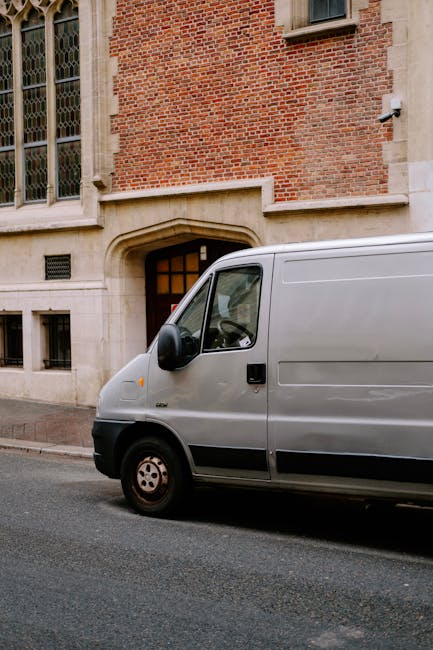
Advance booking window for Colliers Wood removals secure best vans
If you are trying to move in or around Colliers Wood, timing is doing a lot more work than most people realise. The right advance booking window for Colliers Wood removals secure best vans can mean the difference between getting the van size you actually need and scrambling for whatever is left on the day. It also affects price, stress levels, parking flexibility, and whether your move feels organised or a bit chaotic by 8:30 on a wet Saturday morning. Truth be told, that one decision can set the tone for the whole move.
This guide explains how advance booking works, how far ahead to book, why it matters locally, and what to check before you lock anything in. You will also find a practical checklist, a comparison table, and a realistic example so you can plan your move with a bit more confidence and fewer surprises.
Table of Contents
- Why Advance Booking Window for Colliers Wood Removals Secure Best Vans Matters
- How Advance Booking Window for Colliers Wood Removals Secure Best Vans Works
- Key Benefits and Practical Advantages
- Who This Is For and When It Makes Sense
- Step-by-Step Guidance
- Expert Tips for Better Results
- Common Mistakes to Avoid
- Tools, Resources and Recommendations
- Law, Compliance, Standards, or Best Practice
- Options, Methods, or Comparison Table
- Case Study or Real-World Example
- Practical Checklist
- Conclusion
- Frequently Asked Questions
Why Advance Booking Window for Colliers Wood removals secure best vans Matters
Colliers Wood is one of those places where move planning benefits from a little foresight. Local roads can get busy, parking can be tight, and the practicalities of loading near terraced streets, flats, or shared access routes often make van availability more valuable than people expect. If you leave booking too late, you may still find a vehicle, but not necessarily the right size, the right time slot, or the smoother option.
The core issue is simple: removals vehicles are not all interchangeable. A small man and van setup may suit a light flat move or a few bulky items, while a larger moving truck is better for full-house loads, office equipment, or multi-room moves. If you want the best match for the job, booking early gives you first choice. Leave it late and you may compromise, which is rarely fun when the sofa is already halfway down the stairs.
There is also the human side of it. Early booking gives you space to think. You can confirm packing, measure furniture, check access, and avoid the awkward last-minute "can we do this tomorrow instead?" conversation. In our experience, that quiet planning window is often what keeps the whole move feeling manageable rather than frantic.
If you are still comparing support options, it can help to browse the range of services available, such as home moves, house removalists, or a flexible man and van approach when your job is smaller or more time-sensitive.
How Advance Booking Window for Colliers Wood removals secure best vans Works
The booking window is the time between deciding to move and the date you want the vehicle and crew. The longer and more flexible that window is, the better your chances of getting the best van for the job. It is not just about "reserving a slot"; it is about matching your move to the right vehicle, crew size, and schedule.
Here is what typically happens when booking is done properly:
- You share your move size, access details, and preferred date.
- The removals team estimates the likely vehicle type and crew requirement.
- You confirm whether the move is domestic, commercial, or something smaller like a single-item collection.
- A van or truck is allocated based on availability and suitability.
- The booking is secured, giving both sides time to prepare.
The earlier you book, the wider your choice. That matters most during busy periods such as month-end moves, school holidays, weekends, and the first few days of a new tenancy cycle. Fridays can disappear quickly. So can early Saturday slots. If you need a specific time, book before the calendar gets crowded.
For heavier or more complex jobs, you may be steered toward a larger vehicle such as a moving truck or removal truck hire. For commercial premises, the same principle applies, though the schedule often needs more coordination, especially if staff, IT kit, or stock are involved. That is where commercial moves and office relocation services become especially relevant.
It is worth saying plainly: a good booking window does not guarantee every possible vehicle, but it dramatically improves the odds of getting the right one, at the right time, without awkward compromises.
Key Benefits and Practical Advantages
There are several reasons to book in advance, and they are not all about convenience. Some are very practical, and a few are genuinely stress-saving.
- Better van choice: You are more likely to secure the right size vehicle instead of squeezing everything into something too small.
- Smoother timing: Early booking helps you secure a slot that fits around key handover times, work commitments, or school runs.
- Less risk of rescheduling: Availability is less likely to change when the booking is made well ahead of time.
- More accurate planning: Once the van is confirmed, packing, dismantling, and loading plans become easier to organise.
- Lower stress on the day: You are less likely to find yourself chasing options at the last minute.
- Better fit for local access issues: In areas with tighter streets or parking constraints, the right vehicle size matters even more.
One practical advantage people overlook is how advance booking improves packing quality. When the van size is known earlier, you can judge how much needs to be dismantled, boxed, or wrapped. That makes the whole job cleaner. Fewer half-packed piles. Fewer "we'll just shove it in somehow" moments. Let's face it, that phrase usually ends badly.
If you also need help with packing, it is worth looking at packing and unpacking services. That can make the booking window even more useful because the move team knows what they are handling before arrival.
Who This Is For and When It Makes Sense
Advance booking is a smart move for almost anyone, but it is especially useful if your situation includes any of the following:
- a full house or flat move
- a fixed completion date
- shared access or limited parking
- bulky furniture or fragile items
- office equipment or stock
- weekend or end-of-month moving dates
- a need for multiple staff or a larger vehicle
It also makes sense if you are moving only a few pieces but those pieces are awkward. A sofa, dining table, wardrobe, piano, or even several heavy boxes can be more complex than a "small move" sounds on paper. A quick furniture pick-up might be all you need, but you still benefit from booking early if the item is large or access is fiddly.
For business owners, advance booking is often non-negotiable. Office moves usually involve more moving parts, from IT shutdowns to desk labelling and staff coordination. If the timing slips, the whole day can unravel. If you are relocating a workspace, it helps to plan around the exact service you need, whether that is a full office move or a lighter commercial transport arrangement.
And yes, if you are only moving a few items, you may not need the biggest vehicle going. But booking early still helps. You do not want to overpay for capacity you do not need, or worse, underbook and then panic at 6 a.m.
Step-by-Step Guidance
Here is a straightforward way to plan the booking window without overcomplicating things.
1. Start with your moving date, then work backwards
Pick your ideal date first, even if it is only provisional. Then build the rest of the booking around it. If you have a completion date, tenancy handover, or office access slot, treat that as the anchor.
2. Estimate the real size of the move
Be honest here. Count rooms, note large items, and think about awkward access. A one-bedroom flat with a treadmill and a tall wardrobe can need more vehicle space than a neat two-bed with minimal furniture.
3. Check access in advance
Measure stairwells if needed. Look at lift availability. Think about parking, loading bays, and whether a larger van can safely stop close enough to the property. This little step can save a lot of hassle.
4. Choose the right service level
If you want help with loading and unloading, a man with van style service may suit smaller domestic jobs. For heavier jobs, a larger moving truck or dedicated removals vehicle may be better.
5. Ask about flexible timings
Morning slots often move faster and feel less rushed. Afternoon slots can work well too, but only if the keys and access are truly ready. If not, you can end up sitting around looking at boxes, which is never anybody's favourite part of moving.
6. Confirm what is included
Ask whether the booking covers loading, unloading, disassembly, protective covers, or waiting time. Do not assume. That is one of those small misunderstandings that can become a big annoyance later.
7. Put the plan in writing
Even a short confirmation message or booking note is helpful. It gives both sides a shared understanding of the date, vehicle, and expected scope.
If you are still deciding on the overall move type, use the booking conversation to clarify whether you need home moves support, a business relocation, or a straightforward van hire arrangement. The cleaner the brief, the better the fit.
Expert Tips for Better Results
There are a few habits that make a surprisingly big difference.
- Book early, but not blindly: Early is good. Early with no accurate move details is not so good. Give the team enough information to recommend the right vehicle.
- Choose the right day of the week: Midweek moves are often easier to schedule than peak weekend slots. If your calendar allows it, use that flexibility.
- Build in a buffer: If you are collecting keys, try not to schedule the van to arrive right at the handover minute. A small buffer can save your nerves.
- Label the awkward stuff: Mark fragile boxes and separate items that need special handling. Future you will be grateful.
- Protect the van time: The booking window is only useful if the property is actually ready. Finish packing, defrost the freezer, and keep walkways clear.
A good local move is often won by boring little details. Tape, labels, a floor plan, a charged phone, a kettle packed last. Not glamorous, but effective.
Another useful habit is to think about the load sequence before the van arrives. The items you need first at the other end should be loaded last, not buried under garden chairs and a lamp you forgot you owned. That sounds obvious once written down, but on moving day the obvious things tend to vanish.
Common Mistakes to Avoid
Most moving headaches come from a few predictable mistakes. Happily, they are avoidable.
- Leaving it too late: This is the big one. Late booking usually limits van choice and time choice.
- Booking the wrong vehicle size: Too small means stress and possible extra trips. Too large may be unnecessary cost.
- Ignoring access problems: A vehicle might be available, but not practical for your street or property layout.
- Assuming packing will be quick: It never feels as quick on the day as it did in your head on Tuesday evening.
- Not mentioning bulky items: Wardrobes, bed frames, white goods, and exercise equipment need to be flagged early.
- Failing to confirm timing: "Morning" can mean very different things to different people.
Another subtle mistake is booking on optimism alone. People often think, "We only have a few bits." Then the hallway fills with boxes, bags, a bike, three plants, and a chair that no one can remember buying. A realistic inventory is always better.
Tools, Resources and Recommendations
You do not need specialised software to organise a move, but a few simple tools make the process easier:
- a room-by-room inventory list
- a phone note for dimensions of large furniture
- masking tape and a marker pen for box labels
- a basic floor plan of the new place
- photos of awkward access points, stairs, or parking spots
Those photos can be surprisingly useful. A narrow entrance, steep staircase, or awkward corner tells a removals team more than a general description ever will. One quick picture in daylight beats five vague messages later on.
For larger jobs, it helps to review related services before you book. If the move involves business equipment, commercial moves and office relocation services can provide the right framework. If you are moving a few loads of heavy furniture or disposing of an item before the move, a furniture pick-up can reduce clutter and simplify the booking.
If you want to learn more about the company before making a decision, the about us page is a sensible starting point, and the contact us page is where you can ask about dates, vehicle sizes, or availability.
Law, Compliance, Standards, or Best Practice
For most domestic moves, the main concern is practical rather than legal. Still, there are a few standards and expectations worth keeping in mind.
First, parking and loading in London can be sensitive, especially where there are restrictions, permit zones, single yellow lines, or shared access. It is wise to check local parking rules and plan for them rather than assuming a van can stop anywhere. If the street is tight, you may need a smaller vehicle or a loading plan that minimises disruption.
Second, removals teams should handle goods with care and communicate clearly about what they can and cannot move safely. Some items may require extra wrapping, specialist handling, or advance notice. If you have anything fragile, high-value, or unusually heavy, say so early.
Third, business moves may involve data, equipment, or stock that need careful handling and internal sign-off. Best practice is to document what is moving, what stays, and who is responsible for checking items in and out. Nothing fancy. Just sensible.
For consumers, the most useful "compliance" rule is probably this: read the booking terms carefully. If the service has waiting time, cancellation, access, or rescheduling conditions, understand them before you commit. You can review the published terms and conditions and privacy policy so you know how your booking details are handled.
Options, Methods, or Comparison Table
Choosing the right setup is easier when you compare options side by side. The best choice depends on load size, access, and how much help you want on the day.
| Option | Best for | Pros | Trade-offs |
|---|---|---|---|
| Man and van | Small to medium moves, single rooms, furniture pick-ups | Flexible, often easier to book, good for lighter loads | May not suit large house moves or very bulky items |
| Man with van | Similar jobs where loading support is needed | Helpful for mixed loads and tighter budgets | Capacity can be limited if the load grows |
| Moving truck | Full-house moves, multi-room loads, bulkier items | More space, fewer trips, better for larger jobs | May need better access and more planning |
| Removal truck hire | Jobs where a dedicated vehicle is the priority | Useful when transport capacity is the main issue | May still need loading coordination or packing support |
If you are undecided, start by estimating the actual volume rather than the emotional volume. We all do this a bit. One wardrobe somehow becomes "a handful of things" until you stand in the hallway staring at it.
Case Study or Real-World Example
A typical Colliers Wood move might look like this: a couple are leaving a two-bedroom flat near the station and have a fixed handover at lunchtime. They first think a small van will do the trick. After listing the items properly, they realise they have a bed frame, mattress, three bookcases, a washing machine, boxes of kitchenware, and a bike. Suddenly the small van idea looks optimistic.
Because they booked early, the team can suggest a larger vehicle and a better start time. They also flag the narrow access at the property and advise that the bigger items be dismantled before arrival. On the morning of the move, the van gets close enough to the entrance, the load is organised in advance, and the handover timeline stays intact.
Now compare that with a late-booked move. Same flat, same items, but the only vehicle left is smaller than ideal and the slot is later in the day. That creates a knock-on effect: more trips, more waiting, and more pressure on everyone involved. It is not dramatic. Just irritating, and very avoidable.
That is the real value of the booking window. It gives you options before the day starts to push back.
Practical Checklist
Use this before confirming your move:
- Have I chosen a realistic moving date?
- Do I know roughly how much needs to be moved?
- Have I listed all large or awkward items?
- Have I checked parking, access, and stairways?
- Do I know whether I need a van, truck, or packing help?
- Have I considered whether the move is domestic or commercial?
- Do I need help with dismantling or reassembly?
- Have I allowed time for packing and labelling?
- Have I checked the booking terms?
- Have I left enough time to secure the best vehicle?
If the answer to any of those is "not yet," that is fine. Better to catch it now than while standing in the doorway with the fridge unplugged and the kettle already packed. Small pause. Deep breath. Then sort the detail.
Get a free quote today and see how much you can save.
Conclusion
Advance booking is one of the simplest ways to make a Colliers Wood move easier, cleaner, and less stressful. It gives you more choice over van size, improves scheduling, and reduces the chance of last-minute compromises. That matters whether you are moving a flat, a family home, an office, or just a few bulky items that need proper handling.
If you plan early, you can match the right vehicle to the right job, prepare properly, and walk into moving day with a steadier mind. And honestly, that calm is worth a lot. Moves are rarely glamorous, but they can be manageable, even smooth, when the basics are done properly.
Take the time to book well, and the rest tends to fall into place a little more easily. Not perfectly. Just better. Which, on moving day, is exactly what you want.
Frequently Asked Questions
How far in advance should I book removals in Colliers Wood?
As early as you can once your date is reasonably fixed. Peak days, month-end slots, and weekends are usually the first to fill, so early booking gives you more choice.
Why does booking early help me secure the best van?
Because the best-fit vehicles are limited. Booking early increases your chance of getting the right size, right timing, and right setup for your specific move.
Is a man and van service enough for a small flat move?
It often is, especially for lighter loads or shorter distances. The key is to be realistic about how much you actually have, not how much it feels like on paper.
What if I only have a few large items?
Then a smaller service may still work, but the items themselves matter more than the number of boxes. A sofa, wardrobe, or appliance can change the vehicle choice quickly.
Do I need to book earlier for a weekend move?
Usually yes. Weekend dates are popular because they fit around work and family schedules, so they tend to go faster.
Can I book later if my completion date changes?
Yes, but flexibility depends on availability. If your date is not final yet, it is still worth speaking early so you understand your options.
What details help a removals team recommend the right van?
Room count, large furniture, access details, parking constraints, and whether anything needs dismantling or special handling.
Should I choose a moving truck or a smaller van?
Choose based on volume and access. Larger loads usually suit a truck, while smaller domestic jobs can often be handled efficiently with a van-based service.
Does advance booking help with packing too?
Yes. Once the vehicle and schedule are set, packing becomes more structured. You can work backwards from the move day instead of packing in a panic.
What should I do if I have office equipment to move?
Plan earlier than you would for a simple home move. Office relocations often involve more coordination, so services like office relocation support or commercial moves are usually a better fit.
Are there any terms I should check before confirming?
Yes. Check booking terms, cancellation conditions, waiting time, and any notes about access or load size. It is worth understanding that upfront.
How do I know if my move needs packing and unpacking services?
If you are short on time, have fragile items, or simply want a less stressful day, packing support can be a very sensible add-on.
What is the main mistake people make when booking removals?
Leaving it too late. After that, everything becomes a compromise: vehicle size, timing, price, or convenience. Usually more than one of those.